

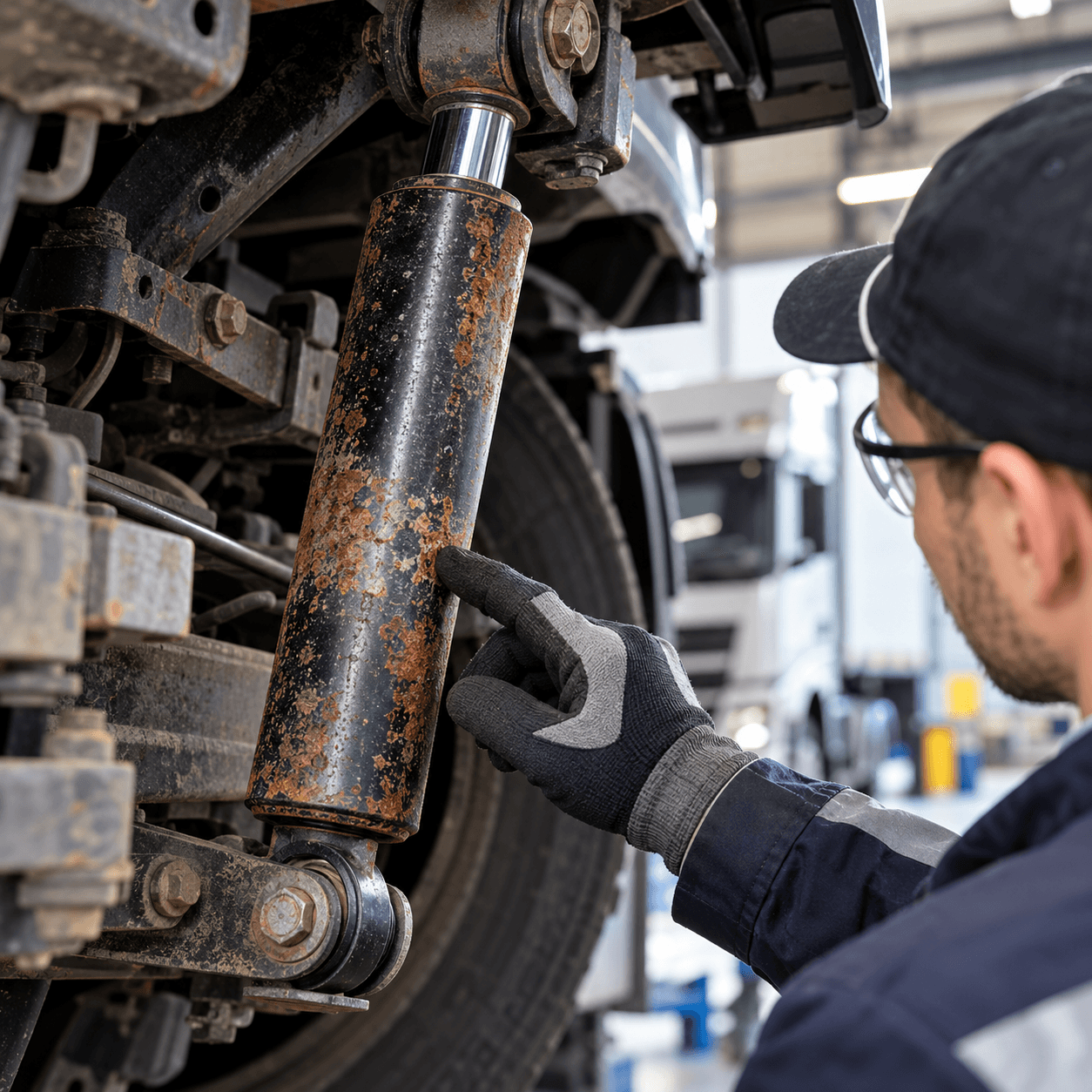
Corrosion of truck shock absorbers: what to check before winter
The corrosion of truck shock absorbers requires an evaluation that distinguishes the superficial alteration from the deterioration of the functional parts. A trace of rust on

Way Assauto at EICMA 2026: from Asti to Milan, a meeting dedicated to two wheels
Way Assauto at EICMA 2026: from Asti to Milan, a meeting dedicated to two wheels Way Assauto will be present at EICMA 2026 from 3 to 8 November, in pavilion 9, stand T90. The app

How much does a stopped truck cost? The items to consider in the calculation
The cost of a stopped truck does not just coincide with the price of the spare part or the workshop invoice. When an industrial vehicle cannot perform the scheduled service

Glare and poor lighting: how a Mirror Cam works at night
A Mirror Cam at night has to deal with much more complex conditions than normal daytime driving. Dimly lit streets, headlights of following vehicles, rain, reflections
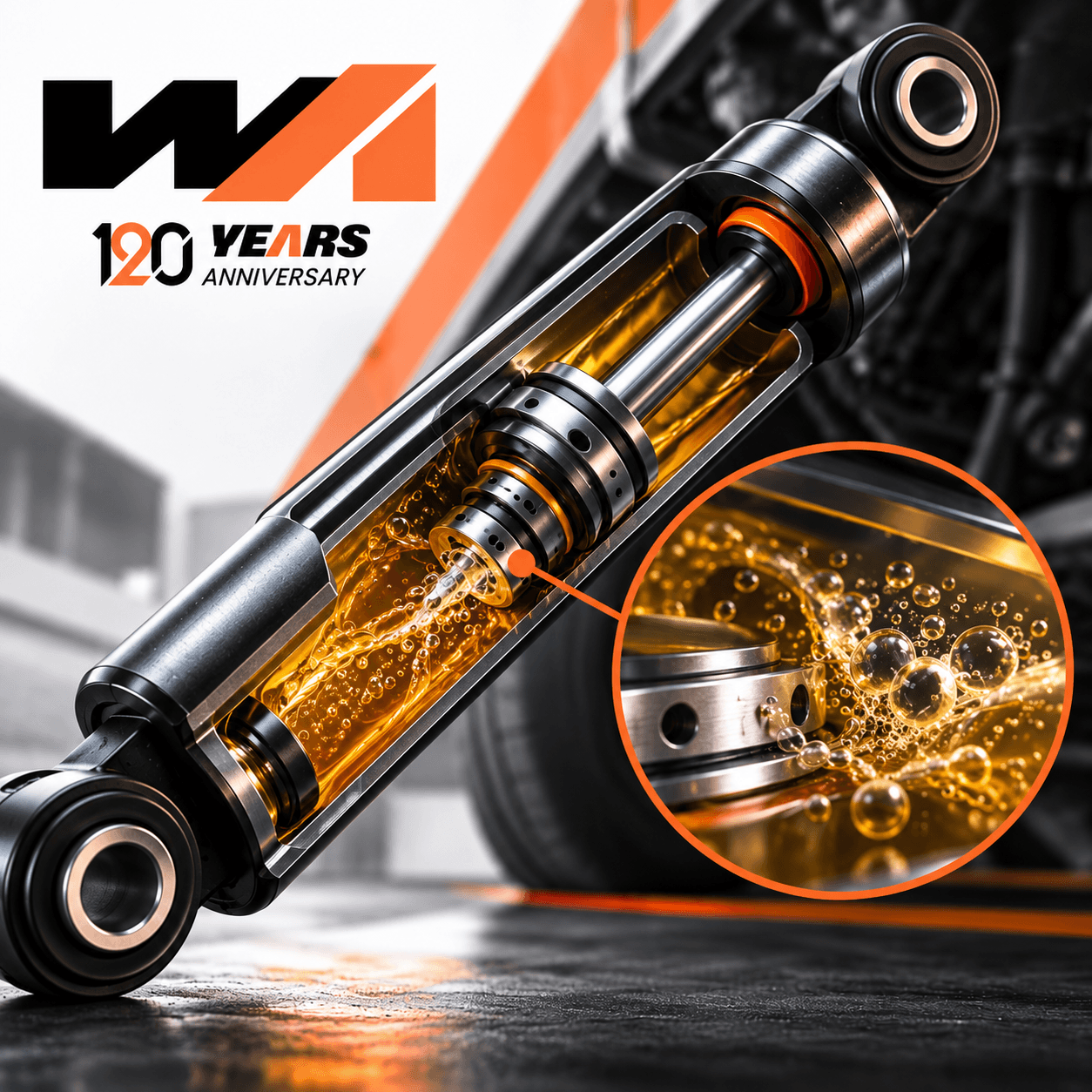
Cavitation in shock absorbers: what happens to the fluid
Cavitation in shock absorbers is a phenomenon that can alter the behavior of the hydraulic fluid and make the response of the component less regular. It occurs internally

Shock absorber removed from the vehicle: what information should I keep to analyze a fault?
The analysis of a shock absorber removed from a truck, bus or trailer should not only start with the disassembled component. When a noise is reported, a p
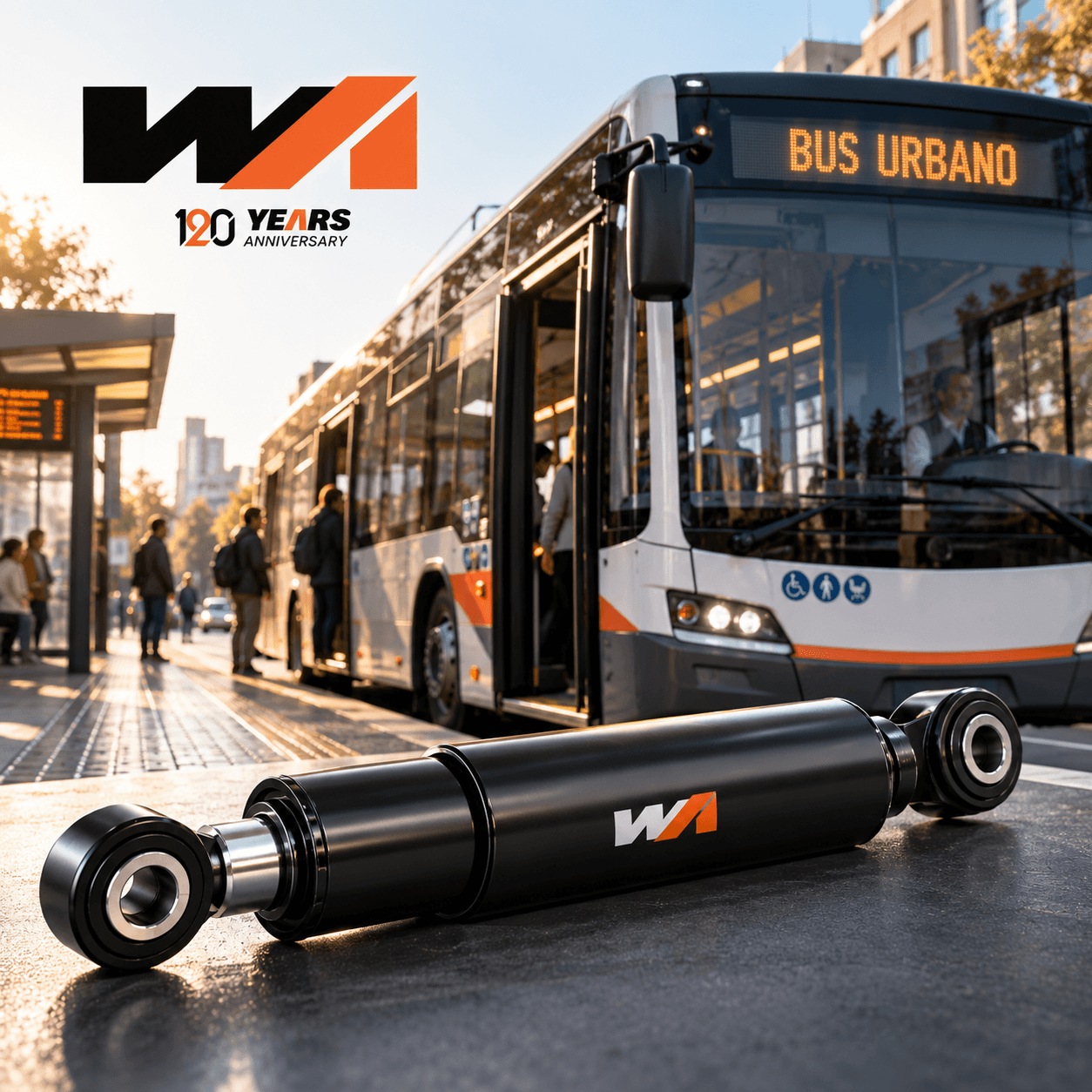
Shock absorbers for city buses: what changes in daily use?
Shock absorbers for city buses work in an operating context characterized by frequent stops, restarts, curves, load variations and continuous floor irregularities.
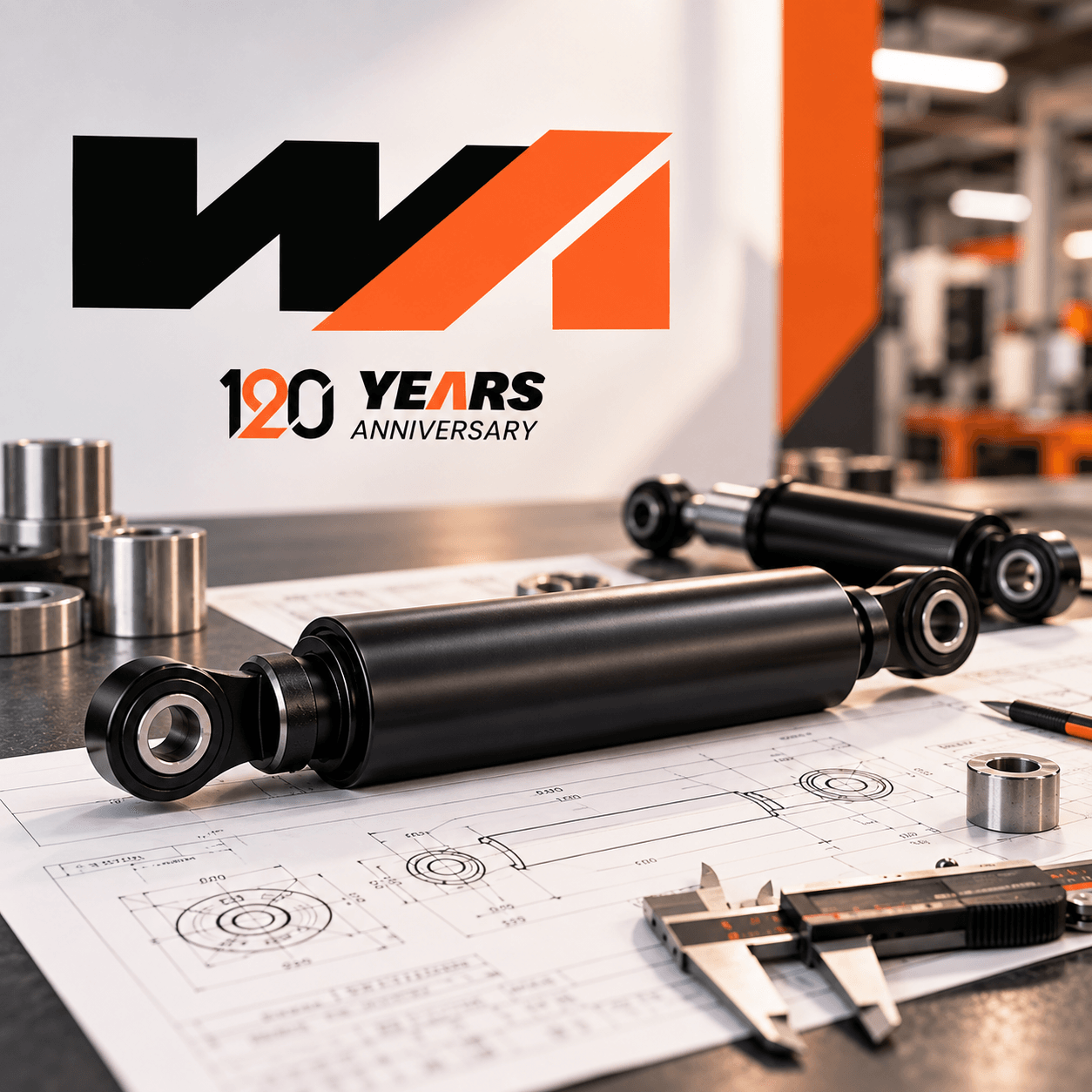
Special custom-made shock absorbers: when a catalog solution is not enough
Special custom-made shock absorbers become a possibility to be evaluated when a standard solution fails to adequately meet the requirements of the application

Truck shock absorber assembly errors: alignment, bushings and fixings
Errors in the assembly of truck shock absorbers can compromise the correct functioning of a new component and cause noise, play, anomalous stresses or
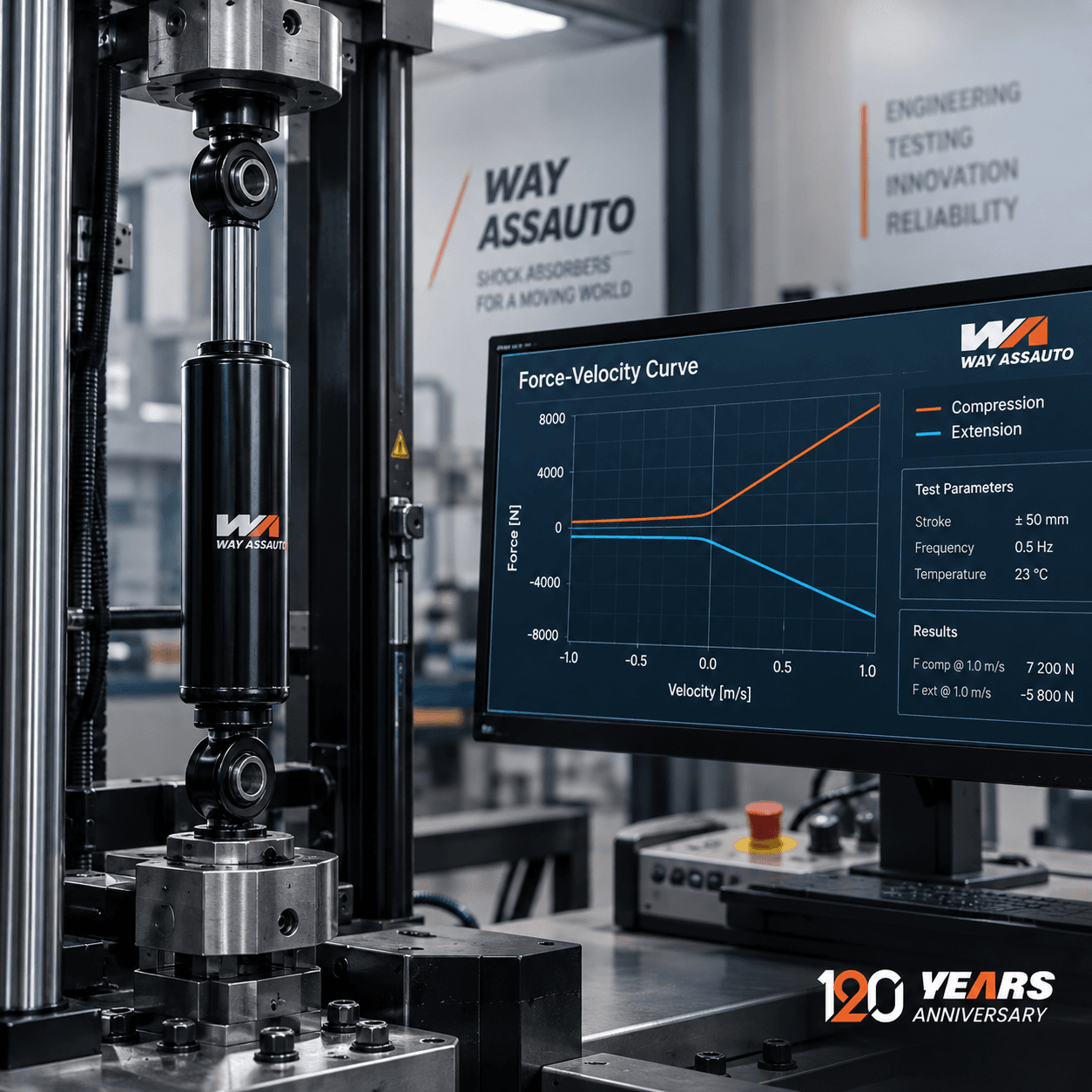
Force-velocity curve of a shock absorber: how to read it and what it indicates
The force-velocity curve of a shock absorber represents the relationship between the speed of movement of the rod and the damping force developed by the component during compression